
Notice: The conferences shown below have been fully managed and supervised by Dr. Kamal Emam, the current Chairman of the Board of Directors of CTQ company during the period from August 2009 till August 2020 in which he took over the presidency of the Board of Directors of the International Center for Training and Quality Services.
Dr. Marwa Farouk, the Managing Director of CTQ company has also managed all the logistics and supervised the conference team during the implementation of these conferences, during her period of work at the International Center for Training and Quality Services as Director of Training Department and then as the Managing Director of the Center until August 2020.
First International Conference and Exhibition on
Pre-University Education Development in Egypt
“Finnish, Malaysian and Japanese Experiences”
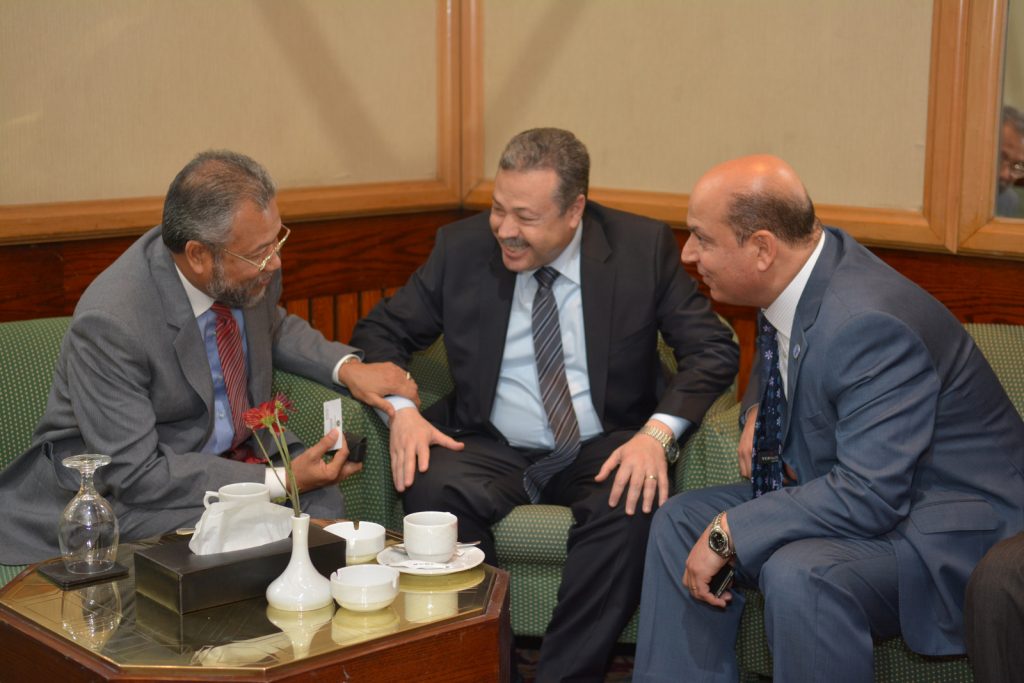
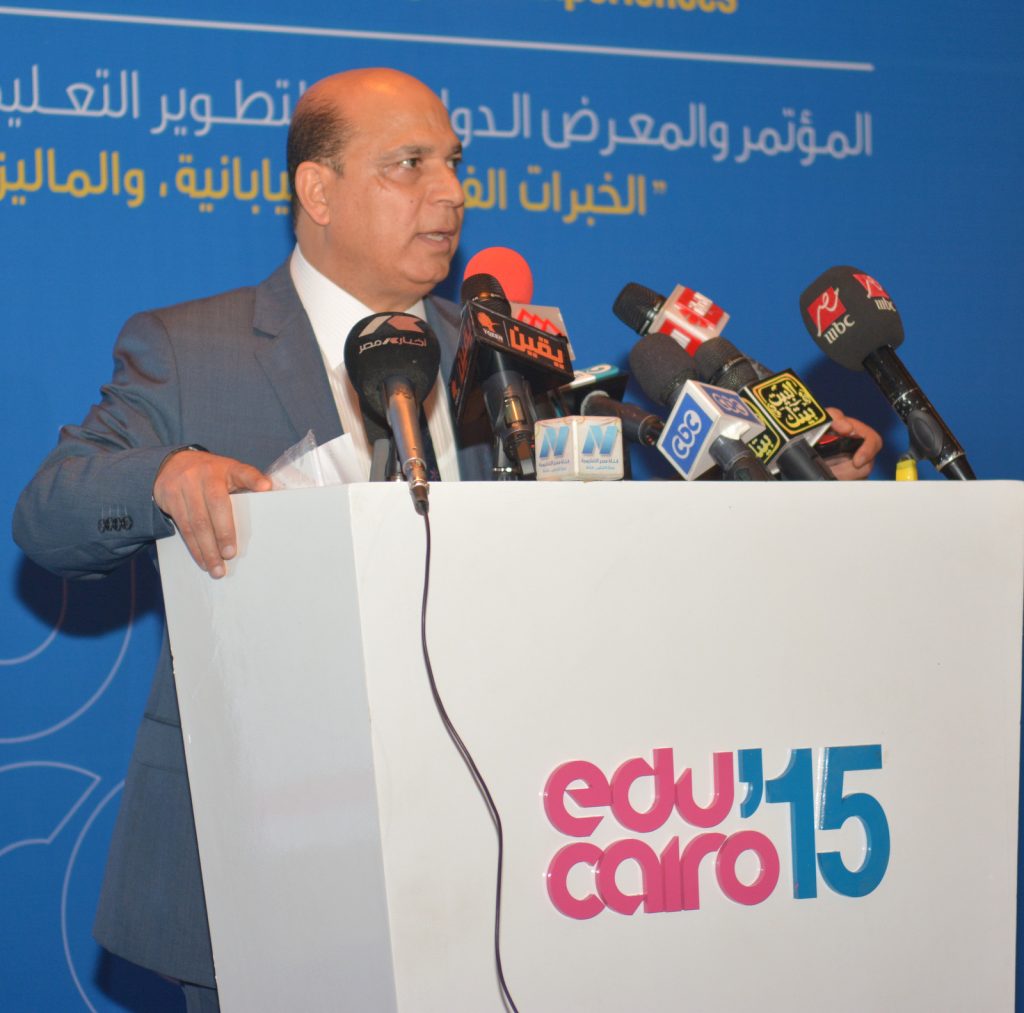
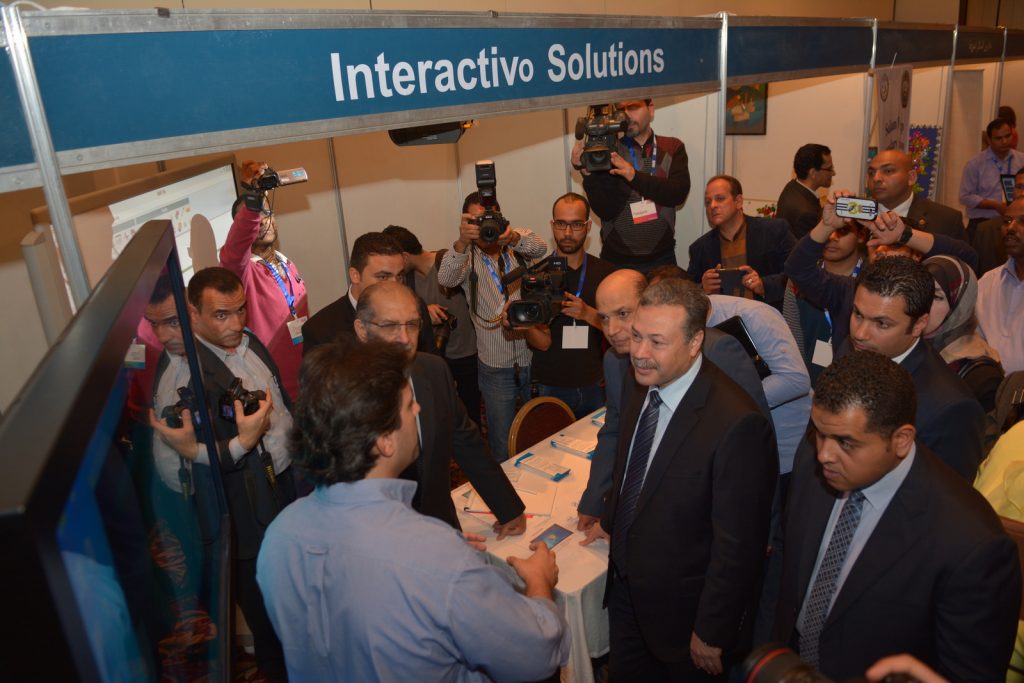
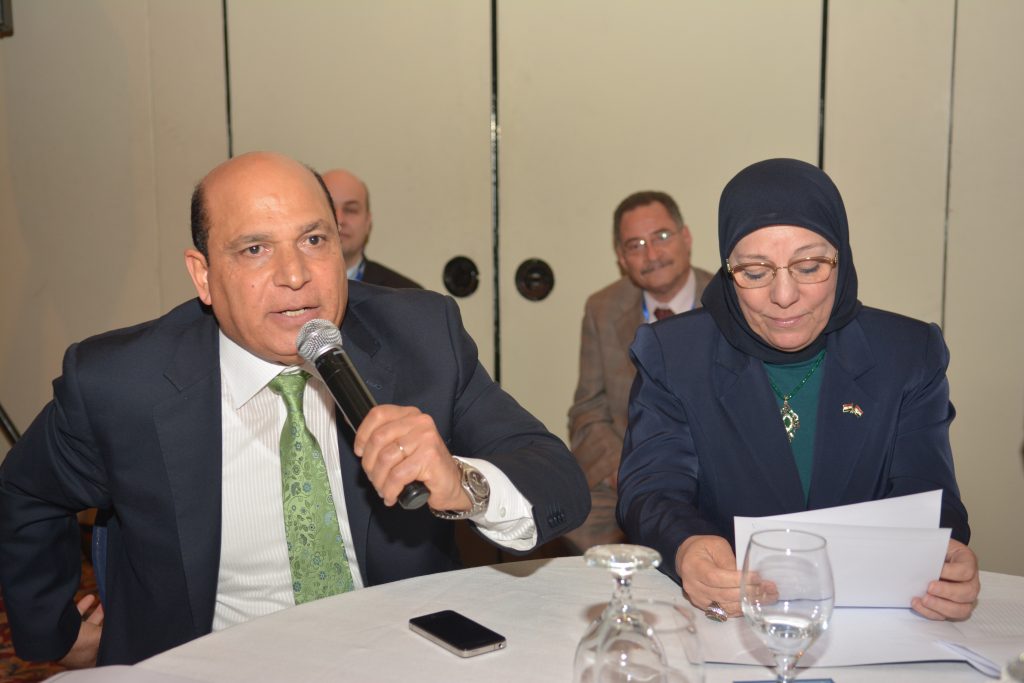
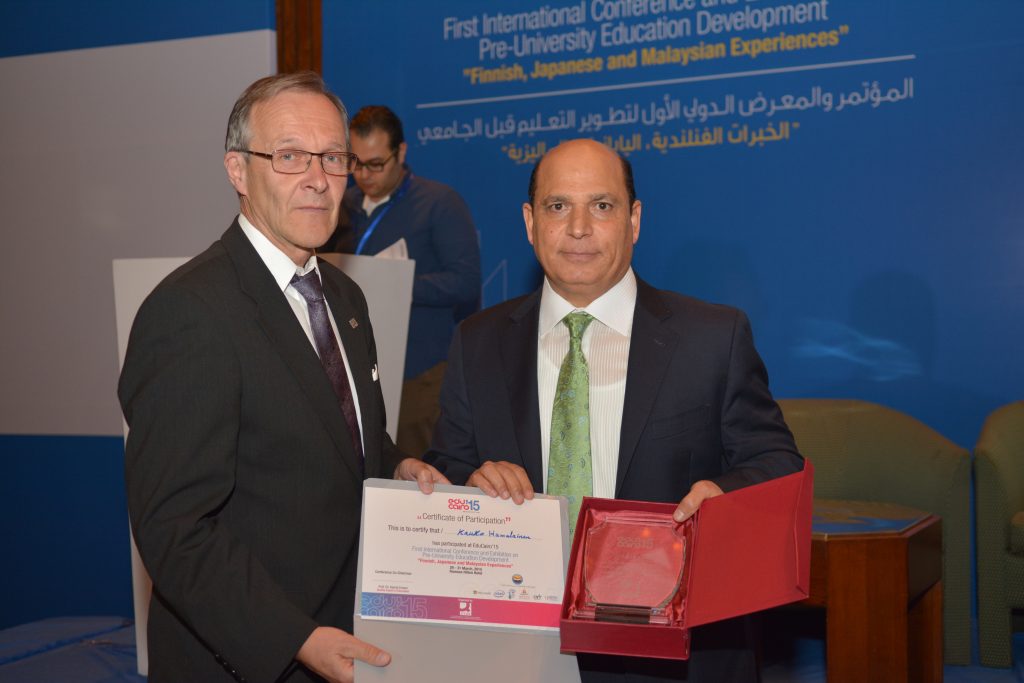
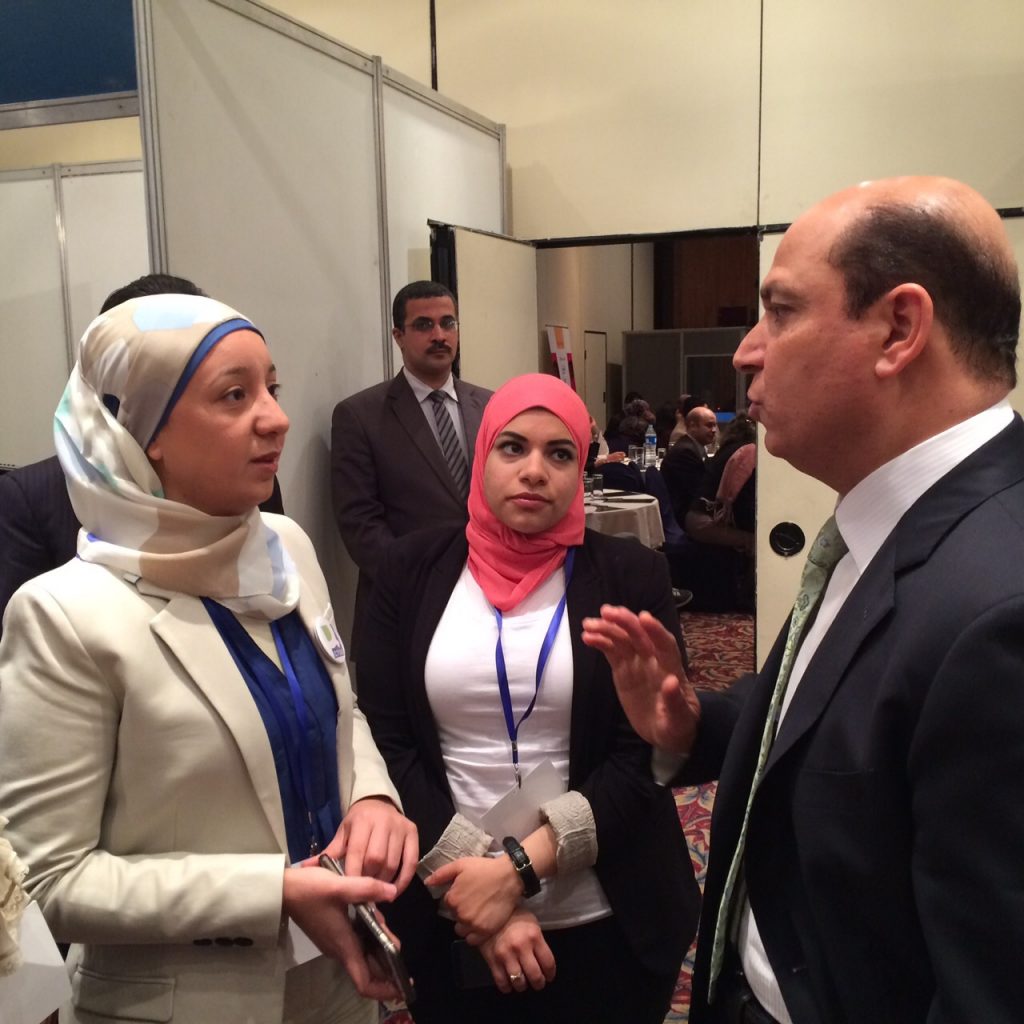
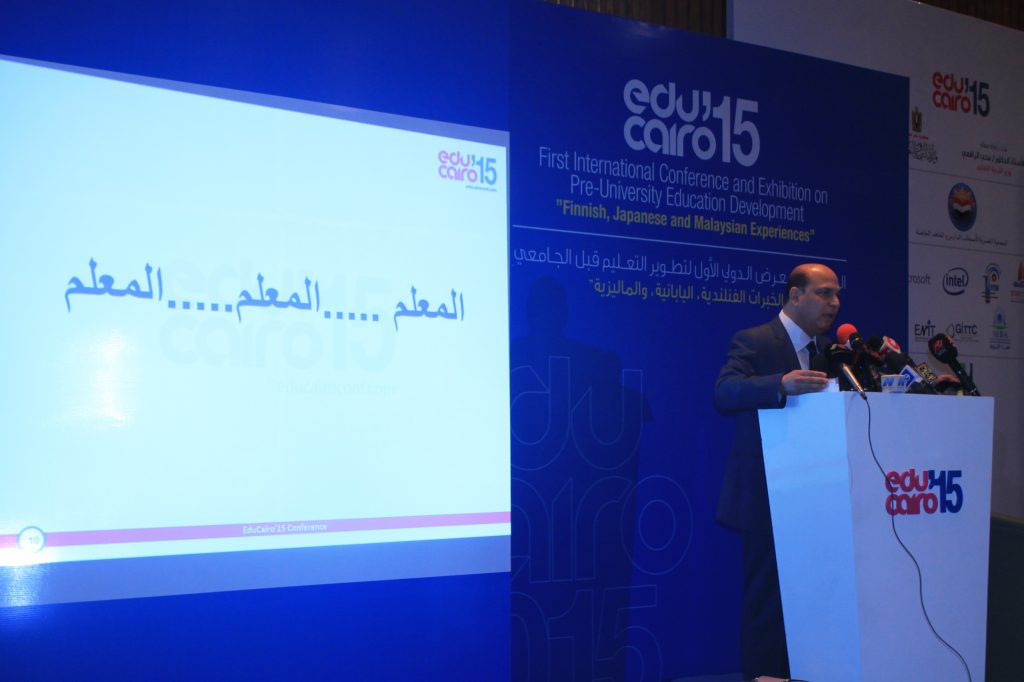
General objectives of the conference
1- Introducing Finnish, Japanese, and Malaysian experiences in developing pre-university education in Egypt.
2- Professional development for cadres and pre-university education personnel.
3- High light on the student welfare systems in schools.
4- Draw lessons learned that are applicable in the Egyptian education in line with the strategic plan for pre-university education, 2014-2030 “together we can”.
Conference themes:
EduCairo’15 conference aims to review the Finnish, Japanese and Malaysian experiences in developing education, by focusing on two important elements in the educational process:
The school
• School administration and technical guidance
• Using technology in learning halls
• Safety and security systems in schools
• Classroom and extra-curricular activities
• Student evaluation systems
The teacher
• Professional development and career paths for the teacher
• Discovering talented students and creative teachers
• Discovering and caring for students with learning difficulties
• The teacher work system inside the school (duties and tasks)
Conference Recommendations
First: the Japanese experience
1. Attention to special activities aimed at building the personality of children, whether individual or group activities inside or outside the classes.
2. The heavy reliance on integrated school activities as a fundamental center for education.
3. Students’ participation in all activities and works of the school, which increases its affiliation with it.
4. Intense interest in teaching calligraphy and traffic rules
5. Finding real mechanisms to strengthen the relationship between schools and their local community (activating and developing school councils).
6. Developing means of communication between the school and scientific and community institutions through the presence of a counselor for schools and school supporters from the local community.
7. Use technology to communicate with the community and parents via the Internet
8. Teacher training, entry-level qualification programs and supplementary programs are essential.
9. Develop objective strategies for periodically evaluating teacher performance and linking performance to remuneration
10. Benefit from the idea of evaluating colleagues through meditation and reflection sessions to give notes to their colleagues aimed at increasing the offering, not criticism.
Second: The Finnish experience
1. Paying attention to the advanced beginnings of raising and educating children in the pre-kindergarten stage from the age of 1 to 3 years and making use of educational applications for learning through experience and discovery.
2. Achieving educational justice and providing equal opportunities for citizens
3. Reconsidering an education system for people with special needs and adopting appropriate formulas for each group in a way that provides them with effective integration or interaction with their community with the full preparation of schools and the environment to integrate them.
4. Building a system to support and provide advice to students, taking advantage of the technological capabilities to provide that important service
5. Direct the educational system to focus on the learning process, not tests and exams
6. Developing the educational policy, giving it flexibility, and adopting curricula based on the needs of the student and the school
7. Develop a package of mechanisms to improve professional confidence between teachers, school and society
8. Developing high school termination systems and university admission methods away from the foundations based on single-chance exams, tests, and pen paper
9. Adopting advanced formulas to implement a system that benefits from centralized and decentralized systems
10. Providing independence for universities and technical schools and linking them to scientific research and sustainable scientific development
11. Review the absolute free of charge in secondary and university education while providing financial support to the student in those stages for those who need it
12. Create education boards at the administrative levels to monitor education systems and the quality of performance in schools (quality of educational outcomes)
13. Training and teaching students the basic competencies to establish the principle of continuous learning
14. Use of technological means and information and communication technology systems and tools in all teaching and learning processes
15. Improving the job, social and economic conditions of the teacher in a way that provides them with a better position and a better salary compared to the salary system in the community.
16. Developing the teacher’s training and professional development system and building effective mechanisms to evaluate performance based on educational and value productivity
17. Developing a system for selecting educational and administrative leaderships using modern electronic programs such as the program to discover natural potentials in humans
DNLA (Discovering Natural Latent Abilities) which is completely neutral without human intervention in the evaluation process. This program has been approved by Harvard School of Business, USA and Max Planc Institute Munich, Germany
Third: the Malaysian experience
1. The teaching and learning system should focus on caring for the student’s integrated personality
2. Modernizing the cultural and value structure of the education system to achieve social harmony and dealing with other cultures and religions and appreciates and respects the other
3. Building an education and learning system for knowledge of its contemporary concepts and ensuring student acquisition: renewed knowledge, thinking skills, language proficiency, ethics and national identity
4. Adopting the development of a system based on the basic curricula and complementary curricula based on activities
5. Updating and diversifying the assessment methods to comply with contemporary developments and working to measure the outputs needed to guide the student to the higher education stages or the labor market, and to evaluate the tests constantly presented
6. Developing the role of the Quality Assurance Authority to achieve the final quality assurance achieved in the student and the outputs of the educational process
7. Finding initiatives for student work in the secondary and university levels
8. Continuous review of all elements of the educational system every 5 years. The curriculum and all effective activities in it are reviewed, modified and evaluated
9. Use of information and communications technology in the educational process
10. Benefiting from the methods and strategies of combined education and peer education to improve student learning
11. Building a clear system for the teacher’s continuing professional and technological development processes
12. Building a clear system to motivate the teacher and the student based on educational productivity
| No. | Name | Title | Country | Place of work |
| 1 | Birgit NEVALA | Ms. | Finland | Finnpartnership Program |
| 2 | Jan-Eric DANIELSSON | Mr | Finland | DNLA |
| 3 | Kauko HAMALAINEN | Dr. | Finland | |
| 4 | Pasi RAIKISTO | Mr. | Finland | Management Systems my |
| 5 | Jarno MAKI
|
Mr. | Finland | University of Eastern Finland, UEF |
| 6 | Liisa KARLSSON | Dr. | Finland | University of Eastern Finland, UEF |
| 7 | Hassan ATTIA | Mr. | Finland | Taea ry |
| 8 | Motoe NAKAJIMA | Mr. | Japan | Japan International Cooperation Agency (JICA)
|
| 9 | Akie HOSHINO
|
Ms. | Japan | Embassy of Japan in Egypt |
| 10 | Hassan ELGAWISH | Dr. | Japan (Egypt) | Professional Academy for Teachers (PAT) |
| 11 | Jamil BIN ADIMIN | Dr. | Malaysia | Malaysian Examinations Council (MEC) |
| 12 | Baiduriah YAAKUB
|
Dr. | Malaysia | Matriculation Division, Ministry of Education (MOE) |
| 13 | Khaled ELSAADANY | Dr. | Egypt | International Network of Innovative Technology
|
| 14 | Nermin SHARABAS | Dr. | Egypt | 57357 Hospital |
| 15 | Noha LABIB | Ms. | Egypt | Microsoft |
| 16 | Robert FOGEL | Mr. | USA | Intel |
| 17 | Pasi RAIKISTO | Mr. | Finland | Management System Ltd |
| 18 | Markus GAUGLER | Mr. | German | DNLA GmbH |
Educairo’15 Conference of Speakers
EVENT INFO :
- Start Date:March 29, 2015
- End Date:March 31, 2015
- Location:Ramses Helton Hotel, Tahrir, Cairo, Egypt